online.ru@welcometoserbia.org


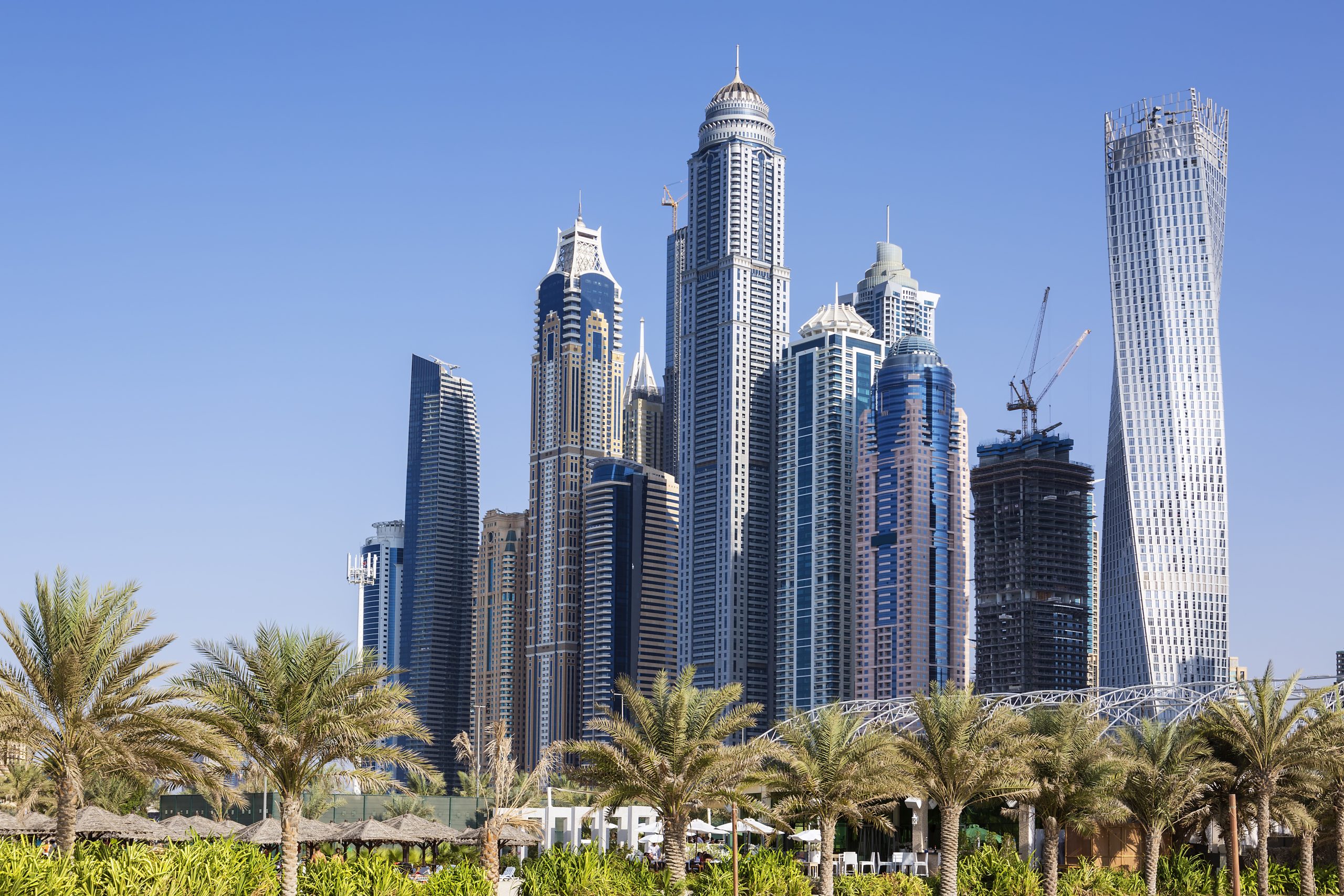
In recent years, Dubai has become almost a standard magnet for global capital. Low taxes, a developed and liquid luxury real estate market, and a relatively predictable legal and business environment have made it attractive to a wide range of groups – from Russian entrepreneurs and cryptocurrency investors to Western financial professionals. For many, it represented a successful combination of high living standards and ease of doing business.
However, as geopolitical risks in the broader region continue to shift, perceptions of long-term stability are also changing. Although the security situation in the UAE remains relatively stable, decisions about capital allocation often depend on small changes in risk perception rather than only on fundamental shifts.
As a result, there is increasing diversification of destinations considered as alternatives. Instead of searching for a “new Dubai,” a group of emerging cities is increasingly being highlighted, each with its own advantages.
In Europe, Milan is strengthening its role as a city combining quality of life and financial services, supported by special tax regimes for foreigners and a growing role in asset management and financial consulting. In Asia, Singapore remains one of the most orderly and stable financial hubs, where strict but transparent rules make predictability more important than flexibility.
Alongside these well-known centers, a group of smaller cities is emerging places that cannot compete with major financial hubs but are becoming important bases in an increasingly fragmented world of human and capital mobility.
One such example is Belgrade.
Unlike Milan or Singapore, Belgrade is not a major financial center. However, this is precisely what makes it interesting for certain groups of people seeking less control, simpler administrative procedures, and easier residency conditions. Its attractiveness lies not in strong financial institutions, but in practical factors – lower cost of living, simplified procedures, and a developing services and technology sector.
For some Russian citizens who previously used Dubai as a base – especially in IT and cryptocurrency – Belgrade is increasingly seen as one of the entry points into Europe with lower barriers. Not as a replacement for the lifestyle Dubai offers, but as a continuation of a mobile working model with fewer administrative and political constraints.
At the same time, limited access to the European financial system for sanctioned Russian capital, as well as tightening anti-money laundering regulations in jurisdictions such as Singapore, further intensify the fragmentation of global capital flows. As a result, an increasingly dispersed map of “safe” destinations is forming, without a single dominant center.
In this context, Dubai is not losing its role, but is gradually ceasing to be the only key hub. Instead, it is becoming one of several important nodes, while Belgrade for certain groups is gaining the status of a secondary but increasingly noticeable base in the new geography of global capital distribution.